
Easy Hibachi Chicken (Benihana Copycat)
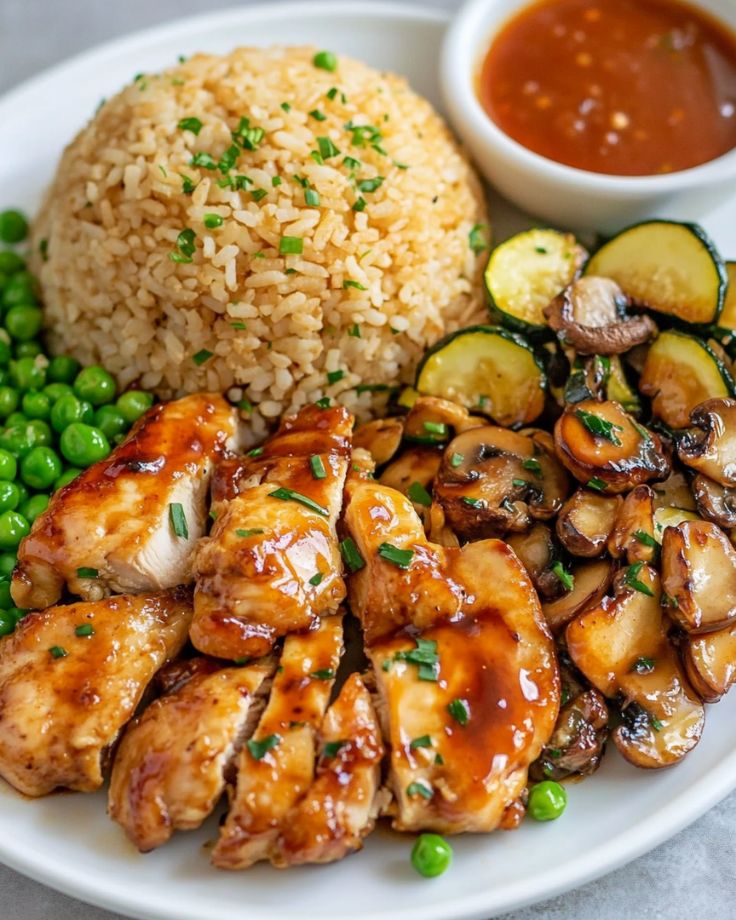
Hibachi Chicken is a flavorful Japanese-inspired dinner made with tender chicken, sautéed vegetables,
savory fried rice, and a creamy mustard sauce.
It brings together garlicky, savory, slightly sweet flavors in a satisfying meal that feels special without requiring a trip to a hibachi restaurant.
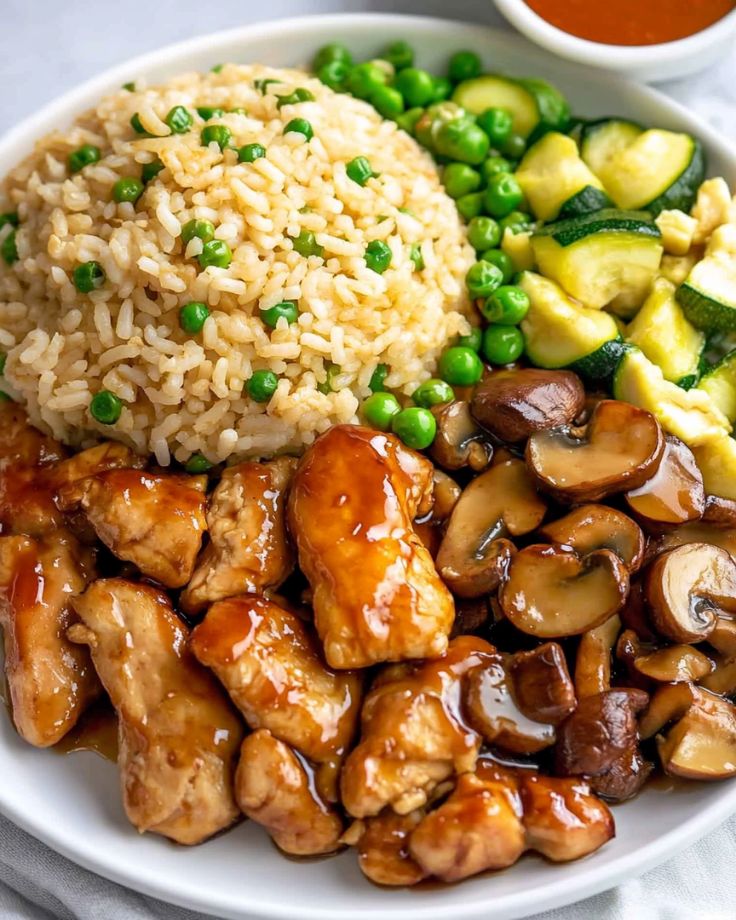
If you love the sizzling flavors of hibachi-style chicken, this homemade version is an easy way to enjoy those flavors right in your own kitchen. Tender diced chicken is cooked with sesame oil, soy sauce, hoisin sauce, garlic, and fresh ginger for a savory combination with a hint of sweetness.
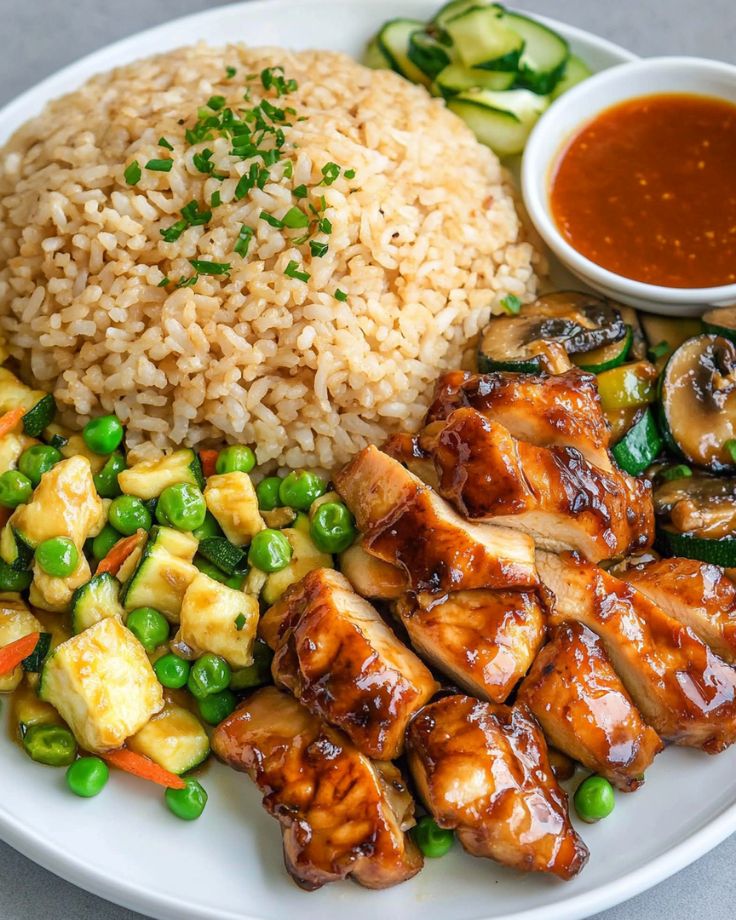
The meal comes together with colorful sautéed vegetables, including carrots, mushrooms, onion, and zucchini. The vegetables are cooked until tender-crisp, keeping some of their texture alongside the chicken and rice.
Then there’s the fried rice. Cooked white rice is tossed with butter, garlic, soy sauce, egg, and green onions for a simple, flavorful side that rounds out the meal beautifully.
Serve everything together with the creamy mustard sauce on the side for a homemade hibachi dinner that works especially well for a flavorful weeknight meal.
Why You’ll Love This Recipe
- Complete meal: Chicken, vegetables, fried rice, and mustard sauce come together for a satisfying dinner.
- Big savory flavor: Soy sauce, garlic, ginger, sesame oil, and hoisin sauce give the chicken plenty of flavor.
- Colorful vegetables: Carrots, mushrooms, onion, and zucchini add variety, texture, and freshness.
- Homemade hibachi-style experience: You can enjoy Japanese-inspired hibachi flavors without going out to a restaurant.
- Flexible chicken option: Chicken breasts work as written, while chicken thighs can also be used if preferred.
- Great for leftovers: The recipe notes provide options for refrigerating or freezing the cooked chicken and fried rice.
For Hibachi Chicken
- Chicken – Boneless, skinless chicken breasts, diced. You can use chicken thighs if preferred for a juicier option.
- Sesame Oil – Used for flavor and cooking the chicken.
- Soy Sauce – For seasoning and adding saltiness to the chicken.
- Hoisin Sauce – Provides sweetness and depth of flavor to the sauce.
- Garlic – Freshly minced for a savory kick.
- Fresh Ginger – Adds a zesty, aromatic note to the dish.
For Mustard Sauce
- Light Mayo – Creates the creamy base for the sauce.
- Soy Sauce – Adds saltiness and umami.
- Rice Vinegar – For a slight tang to balance the creaminess.
- Dijon Mustard – Brings in a subtle heat and sharpness.
For Sautéed Vegetables
- Olive Oil – Used for sautéing the vegetables.
- Carrot – Thinly sliced for a mild sweetness.
- Mushrooms – Sliced in half for texture and flavor.
- Yellow Onion – Chopped for sweetness and depth.
- Zucchini – Chopped for freshness and lightness.
- Soy Sauce – For seasoning the vegetables.
- Salt and Pepper – To taste.
For Fried Rice
- Cooked White Rice – Ideally made ahead or using fresh rice.
- Butter – Adds richness to the rice.
- Garlic – Minced, for an extra savory punch.
- Soy Sauce – For seasoning the rice.
- Egg – Scrambled into the rice for texture and protein.
- Green Onions – Sliced for garnish and a mild onion flavor.
Step-by-Step Guide to Making Hibachi Chicken
Step 1: Prepare the Chicken
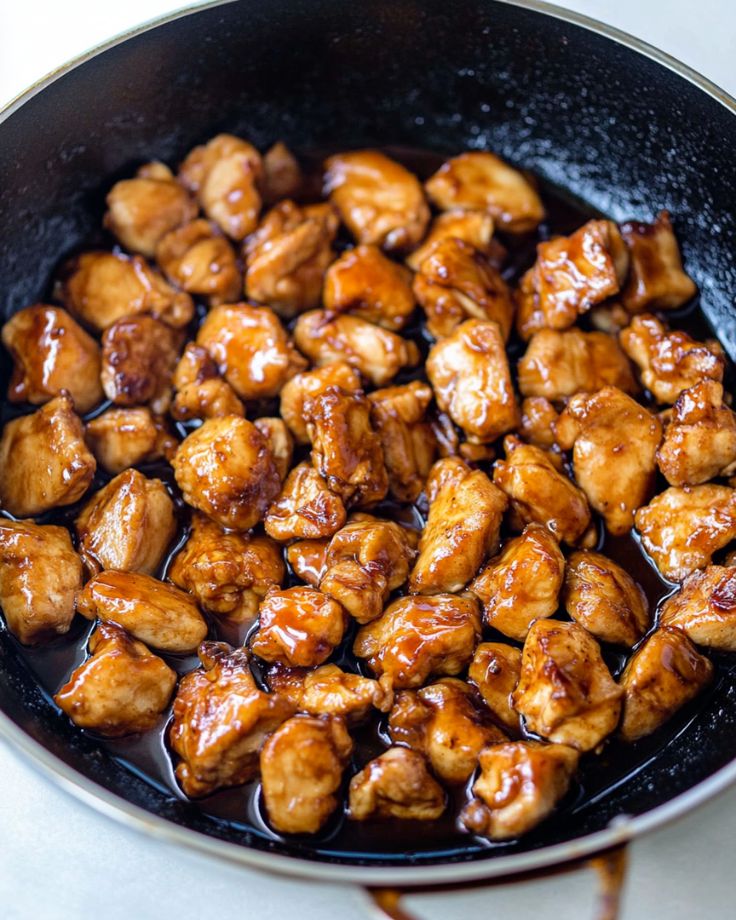
Start by combining the ingredients for the hibachi chicken and pouring the mixture over the diced chicken. The chicken is then cooked in a large skillet over medium-high heat until fully cooked, with occasional stirring so it cooks evenly in the sauce.
Once the chicken is finished, remove it from the skillet and wipe the pan clean.
Step 2: Prepare the Rice and Mustard Sauce
Prepare the white rice according to the package instructions, either in a rice cooker or on the stovetop. You can also use rice that was cooked ahead of time and refrigerated.
While the rice is cooking, combine the mustard sauce ingredients in a small bowl. This gives you a creamy sauce that is ready to serve alongside the finished meal.
Step 3: Sauté the Vegetables
Use the same skillet to cook the vegetables. Heat the olive oil, then add the carrot, mushrooms, onion, and zucchini.
Season the vegetables with salt, pepper, and soy sauce, then cook until they reach a tender-crisp texture. Once they are ready, remove them from the heat and set them aside.
Step 4: Make the Fried Rice
Melt the butter in the same skillet and sauté the garlic until fragrant. Add the cooked rice and soy sauce, stirring as the rice heats through.
Create a small space in the center of the rice and add the egg. Scramble it until just set, then stir everything together and add the sliced green onions.
Step 5: Assemble and Serve
To serve, plate the fried rice first, followed by the cooked chicken and sautéed vegetables. Add the mustard sauce on the side so it can be enjoyed with the chicken and rice.
Tips for the Best Hibachi Chicken
- Dice the chicken evenly: Keeping the chicken pieces relatively consistent helps them cook evenly.
- Have the vegetables prepared before cooking: The vegetable portion moves quickly once the skillet is hot, so having everything sliced and chopped makes the process easier.
- Use cooked rice: The recipe specifically allows for rice that has been cooked ahead of time, which can make the fried rice portion more convenient.
- Keep the mustard sauce ready: Mixing the sauce while the rice cooks means it is ready when the rest of the meal is finished.
- Use the same skillet: Cooking the chicken, vegetables, and fried rice in the same skillet keeps the process streamlined.
- Don’t forget the green onions: They are added at the end of the fried rice for a fresh onion flavor and a simple finishing touch.
- Serve the sauce on the side: This lets everyone add as much mustard sauce as they like.
Common Mistakes to Avoid
- Cutting the chicken into very uneven pieces: Pieces of different sizes may not cook at the same rate. Try to keep the diced chicken reasonably uniform.
- Overcooking the vegetables: The recipe calls for tender-crisp vegetables, so avoid cooking them longer than necessary.
- Adding the egg without creating space: Making a small hole in the center of the rice gives the egg room to scramble before it is mixed throughout the fried rice.
- Forgetting to wipe the skillet after the chicken: The recipe specifically calls for wiping the pan clean before moving on to the next stage.
- Using uncooked rice for the fried rice: The fried rice portion calls for cooked white rice, so have the rice prepared before starting that stage.
- Adding the green onions too early: They are stirred into the fried rice after the egg has set and the rice has been combined.
Easy Ways to Change It Up
The original recipe is already a complete meal, but there are a few ways to customize it without changing the recipe itself:
- Use chicken thighs: Swap the chicken breasts for chicken thighs if you prefer a juicier dark-meat option.
- Try a different sauce: The recipe notes that ginger sauce or yum-yum sauce can also be served with the dish.
- Adjust the vegetable mix: If you have other vegetables available, you can experiment with optional additions while keeping the original recipe unchanged.
- Change the sauce pairing: Serve the mustard sauce alongside the meal or offer an additional optional sauce such as ginger sauce or yum-yum sauce.
- Prepare the rice ahead: Cooking the rice in advance can make the final cooking process more convenient.
How to Serve Hibachi Chicken
For a classic presentation, arrange the fried rice on the plate with the hibachi chicken and sautéed vegetables alongside it. Serve the mustard sauce separately for dipping or drizzling.
This dish is substantial enough to serve as a complete dinner, with the chicken, rice, and vegetables all included. It also works nicely for a casual family dinner when you want something more flavorful and fun than an everyday meal.
Make-Ahead and Storage Tips
The rice can be cooked ahead of time and stored in the refrigerator for up to 2 days, according to the recipe instructions.
For leftovers, the recipe notes that the cooked meal can be stored in the refrigerator for up to 5 days. Reheat leftovers in a pan on the stovetop or in the microwave.
For longer storage, the cooked chicken and fried rice can be frozen for up to 3 months. When you’re ready to use them, defrost them in the refrigerator overnight and reheat as normal.
The mustard sauce can also be prepared ahead of time. The supplied recipe guidance says it can be mixed up to a few days in advance and stored in the refrigerator until needed.
You May Also Love My Readers Favorite Recipes
If you loved this rceipe, you’ll want to try these reader-favorite recipes next!
Green Chile Chicken Enchilada Casserole
Cracker Barrel-Style Chicken and Dumplings
They’re just as comforting, flavorful, and easy to make for any weeknight dinner.
Hibachi Chicken (Benihana Copycat)
Ingredients
For the Hibachi Chicken
- 1 lb chicken breasts, diced
- 1 tbsp sesame oil
- 2 tbsp soy sauce
- 2 tbsp hoisin sauce
- 4 cloves garlic, minced
- 1 tsp fresh minced ginger
For the Mustard Sauce
- ½ cup light mayo
- 1 tbsp soy sauce
- 1 tbsp rice vinegar
- 1 tbsp Dijon mustard
For the Sautéed Vegetables
- 1 tbsp olive oil
- 1 carrot, thinly sliced
- 1 cup mushrooms, halved
- 1 yellow onion, chopped
- 1 zucchini, chopped
- 1 tbsp soy sauce
- Salt and pepper to taste
For the Fried Rice
- 2 cups cooked white rice
- 2 tbsp butter
- 4 cloves garlic, minced
- 3 tbsp soy sauce
- 1 egg
- 4 green onions, sliced
Instructions
Prepare the Chicken:
- In a small bowl, mix together the ingredients for the hibachi chicken. Pour the mixture over the diced chicken. Heat a large skillet over medium-high heat and cook the chicken with the sauce for about 10 minutes, stirring occasionally until fully cooked. Once done, remove the chicken from the pan and wipe the pan clean.
Cook the Rice:
- Prepare the rice either in a rice cooker or on the stovetop according to the package instructions. Alternatively, cook the rice ahead of time and store it in the fridge for up to 2 days. While the rice cooks, mix the mustard sauce ingredients together in a small bowl.
Sauté the Vegetables:
- In the same skillet, heat olive oil and add the sliced carrot, mushrooms, onion, and zucchini. Season with salt, pepper, and soy sauce. Cook for about 5 minutes until the vegetables are tender-crisp. Remove from heat and set aside.
Make the Fried Rice:
- Melt butter in the same pan. Sauté the garlic for about 30 seconds until fragrant. Add the cooked rice and soy sauce, cooking for 5 minutes until the rice is heated through. Create a small hole in the center of the rice, crack in an egg, and scramble until the egg is just set. Stir the rice to combine, then toss in the sliced green onions. Remove from heat.
Serve:
- Plate the rice, followed by the chicken and sautéed vegetables. Serve with the mustard sauce on the side, and enjoy!
Notes
- You can also serve this dish with ginger sauce or yum-yum sauce.
- Leftovers can be stored in the fridge for up to 5 days. Reheat in a pan on the stovetop or in the microwave.
- For longer storage, freeze the cooked chicken and fried rice for up to 3 months. To reheat, defrost in the fridge overnight and heat as normal.
Nutrition
Frequently Asked Questions
- Can I use pre-cooked rice for the fried rice?
Absolutely! Pre-cooked or leftover rice works best for fried rice. Cold rice won’t get mushy when fried, giving you that perfect texture. If you’re using fresh rice, let it cool or spread it out to cool quickly.
- Can I substitute chicken breasts with thighs?
Yes, chicken thighs work beautifully in this recipe. They’re juicier and even more flavorful than chicken breasts, so feel free to use them if you prefer dark meat.
- Can I skip the marinating step?
Yes! Marinating isn’t essential for this recipe. The sauce you cook the chicken in provides plenty of flavor, so feel free to skip that extra step if you’re short on time.
- How can I chop vegetables faster?
Using a mandoline slicer or vegetable chopper can speed up your prep time. These tools help you get evenly cut vegetables in no time, making cooking faster and more consistent.
- Can I make the mustard sauce ahead of time?
Yes! You can mix the mustard sauce up to a few days in advance. Just store it in the fridge, and it’ll be ready to serve when you’re cooking dinner.