Skip to content


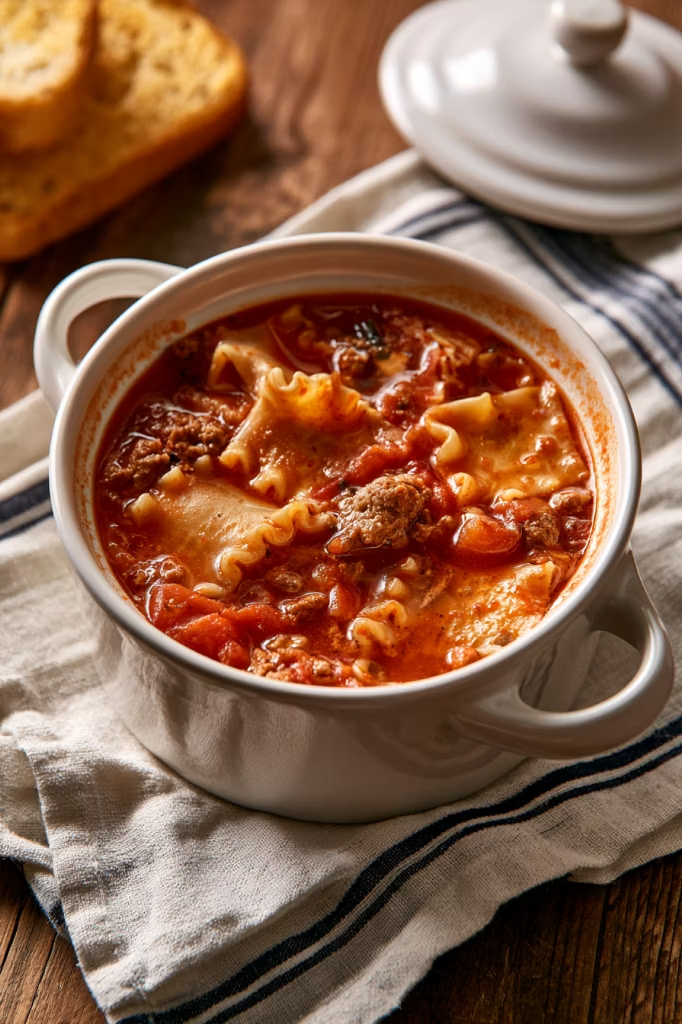
Loaded with savory beef and Italian sausage, tender lasagna noodles, rich tomato broth,
and three kinds of cheese, this lasagna soup has everything I love about a bubbling pan of lasagna in one cozy bowl.
There are some nights when lasagna sounds perfect, but layering noodles, sauce, meat,
and cheese into a casserole does not.
That’s when I want to make this soup. It brings those familiar lasagna flavors together
in a way that feels much more manageable for an everyday dinner.
The soup starts with ground beef and sweet Italian sausage cooked with onion and garlic.
Tomato paste, oregano, basil, and a little heat build the flavor before
chicken broth and tomatoes turn everything into a rich, savory soup.
Add pieces of lasagna noodles and finish each bowl with Parmesan,
Mozzarella, and Ricotta, and you get a dinner that really does feel like lasagna—just with a spoon.
Why You’ll Love This Lasagna Soup
I think the best part of this recipe is how much comfort you get for relatively little effort. You still have the hearty meat sauce, tender pasta, herbs, and creamy cheese that make lasagna so satisfying, but there’s no layering or baking involved.
It’s also a great soup to make when you want something substantial enough to be dinner on its own. The combination of beef, sausage, noodles, and cheese makes every bowl filling, while the tomato broth keeps it from feeling too heavy.
And then there are the toppings! A spoonful of Ricotta, a handful of Mozzarella, and freshly grated Parmesan are what really bring the lasagna feeling home. Add them while the soup is hot so the cheeses begin to soften into the broth as you eat.
Lasagna Soup Ingredients
Here’s what you’ll need to make this hearty lasagna soup:
- Ground Beef and Sweet Italian Sausage – Using both gives the soup a rich, savory flavor and makes it extra hearty. The sausage also brings in those classic Italian flavors.
- Yellow Onion – Adds a little sweetness and plenty of flavor to the meat and tomato base.
- Garlic – Fresh garlic adds another layer of savory flavor and pairs perfectly with the tomatoes and Italian seasonings.
- Tomato Paste – Gives the broth a deeper, more concentrated tomato flavor.
- Dried Oregano and Basil – These simple Italian herbs give the soup that familiar lasagna flavor.
- Sugar – Just a teaspoon helps balance the acidity of the tomatoes.
- Hot Sauce and Red Pepper Flakes – These add a gentle kick and a little extra depth. The hot sauce is optional, but recommended.
- Salt and Pepper – To season the soup and bring all the flavors together.
- Chicken Broth – Forms the base of the soup and keeps the tomato broth savory without making it too heavy.
- Crushed Tomatoes and Diced Tomatoes – Crushed tomatoes create a rich tomato base, while the diced tomatoes add texture.
- Bay Leaf – Simmering a bay leaf in the soup adds subtle flavor to the broth. Just remember to remove it before serving.
- Lasagna Noodles – The ingredient that turns this tomato and meat soup into lasagna soup! They’re cooked and cut into smaller strips so they’re easy to eat by the spoonful.
For Serving
- Parmesan Cheese – Freshly grated Parmesan adds a salty, savory finish to each bowl.
- Mozzarella Cheese – Sprinkle it over the hot soup so it becomes soft and melty, just like the cheese on a pan of lasagna.
- Ricotta Cheese – A spoonful of creamy Ricotta is what really gives each bowl that classic lasagna feel.
- Fresh Parsley – Adds a fresh finish and a little color right before serving.
Step-by-Step Guide To Make This Soup
Lets dive in
Step 1
First, cook the ground beef and sausage. Cook and crumble the ground beef and sausage in a 4 -quart soup pot over medium-high heat. Add the onions halfway through and cook until softened, about 5 minutes. Drain any grease. Add garlic and cook 1 minute.
Step 2
Next, build the flavor. Add 4 Tbsp. tomato paste, 1 tsp dried oregano, 1 tsp dried basil, 1 tsp sugar, 1 tsp hot sauce, ½ tsp salt, ¼ tsp pepper, and a pinch of red pepper flakes. Stir to combine.
Pour in the chicken broth and use a silicone spatula to “clean” the bottom and sides of the pot with it.
Step 3
Now, add the tomatoes. Add the crushed tomatoes, undrained diced tomatoes, and bay leaf. Bring to a boil, reduce to a simmer.
PRO TIP: If you have the rind from the block of Parmesan cheese, add it to the soup while it simmers for additional flavor.
Step 4
While the soup simmers, start the pasta. Let the soup bubble gently while you begin boiling salted water for the lasagna noodles. Prior to adding the noodles, taste and adjust any seasonings as needed. The soup will become more concentrated as it simmers.
Step 5
Break them in half and cook them according to package instructions. Drain and cut them into smaller strips. Transfer to the soup. You can also add them directly to serving bowls, if you plan on having leftovers it’s better to boil fresh noodles for serving, especially if you plan on freezing the soup.
Step 6
Finally, remove the bay leaf and garnish each serving bowl with Parmesan, Mozzarella, Ricotta, and parsley. Serve and enjoy!
Expert Tips
If you know you’re going to have leftovers, I recommend keeping the noodles separate from the soup. Lasagna noodles will continue soaking up the broth as they sit, so adding them to individual bowls makes it easier to keep that lovely, brothy consistency for tomorrow’s dinner.
Let the soup simmer gently while you prepare the pasta. As it cooks, some of the liquid reduces and all those tomato, meat, garlic, and herb flavors become more concentrated.
And don’t underestimate the cheese! The soup is delicious before the toppings go on, but Parmesan, Mozzarella, and Ricotta are what transform the finished bowl into something that really reminds me of lasagna. If you have a Parmesan rind, toss that into the pot while the soup simmers, too. It’s a simple way to give the broth even more flavor.

If hearty, comforting dinners are your thing, you’re in the right place!
Whether you’re planning next week’s dinners or simply looking for another family-friendly comfort food recipe, you’ll definitely want to save these favorites for later.
- Chicken Wild Rice Casserole – Another cozy baked chicken dinner with a creamy filling that’s perfect for busy weeknights.
- Easy Chicken Noodle Casserole – Rich, creamy, and topped with a buttery crunch, making it another family-favorite comfort meal.
- Cracker Barrel-Style Chicken and Dumplings – If you love homemade comfort food, this classic chicken-and-dumplings recipe is a must-try.
- Dump-and-Bake Chicken Parmesan Casserole – An easy, cheesy casserole that’s perfect when you need a no-fuss dinner.
- Creamy Chicken Pot Pie Casserole – Since Chicken Shepherd’s Pie has all the flavors of chicken pot pie, this is one of the most relevant recipes to recommend next.
Recipe Variations
There are a few easy ways to change this soup while staying close to the original recipe.
If you prefer a deeper beef flavor, use beef broth instead of chicken broth, or combine the two. You can also swap the lasagna noodles for another pasta shape. About 6 ounces, or just under ½ lb., is a good amount, and bowtie pasta works especially well.
For something a little richer, add up to ½ cup cream when you add the crushed tomatoes. It gives the tomato base a creamier finish without changing the heart of the soup.
You can also cook the lasagna noodles directly in the pot. Add 1 additional cup of broth and let them bubble gently for about 12 minutes. I still prefer cooking them separately when possible, especially if I’m planning for leftovers, because it gives you more control over the pasta texture.
Storage & Reheating
This is a great soup to save for another day. Store it in an airtight container in the refrigerator for up to 3 days, or freeze it for up to 3 months.
If you can, store the noodles separately. They’ll absorb broth while sitting in the soup, which means leftovers can become much thicker by the next day. Keeping them apart lets you reheat just the amount of soup you need and add pasta when you’re ready to eat.
Warm leftover soup gently on the stovetop until hot. If you froze the soup without the noodles, cook a fresh batch of pasta while it reheats, divide the noodles between your bowls, and spoon the hot soup over the top. Add the cheeses after reheating for that freshly served lasagna-soup finish.
Serving Suggestions
I love serving this soup piping hot with all three cheeses on top. Add Ricotta by the spoonful, scatter over the Mozzarella and Parmesan, and finish with roughly chopped fresh parsley. As the cheese meets the hot broth, it softens into all those tomatoey noodles and makes every spoonful a little different.
For something alongside it, garlic bread with cheese is hard to beat. It’s perfect for dipping into the tomato broth and catching the last bits of meat and cheese at the bottom of the bowl.
You could also serve the soup with Cheddar Bay biscuits or buttermilk biscuits. If you want something fresh to balance the hearty soup, add a simple green salad on the side.
However you serve it, this is the kind of dinner I’d make when I’m craving lasagna but want something easier: one warm pot, plenty of cheese, and big bowls ready for the table.
Recipe FAQs
1. Can I make lasagna soup ahead of time?
Yes, this is a great soup to make ahead. I recommend preparing the soup base and storing the lasagna noodles separately. When you’re ready to serve, simply reheat the soup and add freshly cooked noodles. This keeps the pasta from soaking up too much of that delicious broth.
2. Should I cook the lasagna noodles separately?
Yes, especially if you know you’ll have leftovers. The noodles will continue to absorb the broth as they sit, which can make the soup much thicker. Cook them separately, cut them into smaller strips, and add them to each bowl right before serving.
3. Can I freeze lasagna soup?
Yes, you can definitely freeze this soup, but I recommend freezing it without the lasagna noodles. Store the soup in an airtight container in the freezer for up to 3 months. When you’re ready to enjoy it, thaw and reheat the soup, then cook fresh lasagna noodles to add before serving.
4. Why did my lasagna soup get so thick?
This usually happens when the lasagna noodles sit in the soup for too long and absorb the broth. If you’re not serving the entire pot right away, keep the noodles separate and add them to individual bowls instead. This will help the leftovers stay nice and soupy.
5. Can I make lasagna soup in the slow cooker?
Yes! Cook and crumble the ground beef and sausage first, adding the onions halfway through. Once the onions are softened, drain any grease, add the garlic, and cook for 1 minute. Transfer everything to the slow cooker with the remaining ingredients except the noodles and garnishes. Cook on low for 7–8 hours or high for 3–4 hours. Cook the noodles separately, then serve with Mozzarella, Parmesan, Ricotta, and fresh parsley.


Lasagna Soup Recipe
Ingredients
- 1/2 pound ground beef
- 1/2 pound sweet Italian sausage
- 1 yellow onion
- 3 cloves garlic
- 4 tbsp tomato paste
- 1 tsp dried oregano
- 1 tsp dried Basil
- 1 tsp sugar
- 1 tsp hot sauce, optional but recommended
- 1/2 tsp salt
- 1/4 tsp black pepper
- 1 pinch red pepper flakes
- 5 cups chicken broth
- 14.5 oz crushed tomatoes
- 14.5 oz diced tomatoes, undrained
- 1 bay leaf
- 6 lasagna noodles
For Serving
- 1/2 cup Parmesan Cheese, freshly grated
- 1 cup Mozzarella Cheese, shredded from a block
- 8 oz Ricotta Cheese
- Fresh Parsley, roughly chopped
Instructions
- Place the ground beef and sausage in a 4-quart soup pot over medium-high heat. Cook while breaking the meat into crumbles. About halfway through cooking, add the onions and continue cooking until they soften, about 5 minutes. Drain off any grease. Stir in the garlic and cook for 1 minute.
- Add 4 Tbsp. tomato paste, 1 tsp dried oregano, 1 tsp dried basil, 1 tsp sugar, 1 tsp hot sauce, ½ tsp salt, ¼ tsp pepper, and a pinch of red pepper flakes. Mix everything together thoroughly.
- Pour in the chicken broth. As you stir, use a silicone spatula to scrape the bottom and sides of the pot and loosen anything that has stuck to the surface.
- Stir in the crushed tomatoes, undrained diced tomatoes, and bay leaf. Bring the soup to a boil, then lower the heat so it simmers.
- If you have a Parmesan rind available, place it in the pot during the simmering stage for additional flavor.
- Keep the soup at a gentle simmer while bringing a separate pot of salted water to a boil for the lasagna noodles. Before cooking the noodles, taste the soup and adjust the seasonings if necessary. Keep in mind that the flavor will become more concentrated as the soup continues to simmer.
- Break the lasagna noodles in half and cook them according to the package instructions. Drain, then cut the noodles into smaller strips. Add them to the soup. Alternatively, place the noodles directly into individual serving bowls. If you expect leftovers—particularly if you intend to freeze the soup—keeping the noodles separate and cooking fresh noodles when serving is preferable.
- Take out the bay leaf. Divide the soup among bowls and top each serving with Parmesan, Mozzarella, Ricotta, and parsley.
Notes
Recipe Notes
Nutrition
Calories: 252kcal | Carbohydrates: 18g | Protein: 16g | Fat: 13g | Saturated Fat: 6g | Trans Fat: 1g | Cholesterol: 46mg | Sodium: 777mg | Potassium: 479mg | Fiber: 2g | Sugar: 4g | Vitamin A: 384IU | Vitamin C: 15mg | Calcium: 181mg | Iron: 2mg Nutrition information is an estimate and is per 1-cup serving. The recipe makes approximately 12 cups.