Skip to content



There’s something especially satisfying about pulling a homemade pie
from the oven and seeing those crisp, golden layers around the edges.
This flaky butter pie crust is the kind of dessert recipe I’d reach for whenever a pie is on the menu.
It’s rich and buttery, tender without being crumbly, and sturdy enough to
hold everything from juicy fruit fillings to creamy custards.
The part I love most is how manageable the dough feels.
Once it’s chilled, it rolls out beautifully, and the method helps create those delicate flaky
layers that make homemade pie crust so worth the extra effort.
Keep the butter cold, add the water gradually, and you’re well on your way to a crust
that looks and tastes like something special.
Why You’ll Love This Recipe
This pie crust checks all the boxes for me. It’s buttery and flaky, but it’s also practical enough to use for all kinds of pies. Make it for a classic fruit pie, blind bake it for a cream pie or quiche, or use both disks for a cozy double-crust pie.
I also love that you can make the dough in a food processor or by hand.
The food processor makes the process especially quick, but the handmade version works beautifully too.
And because the dough can rest in the refrigerator for up to 3 days or be frozen
for longer storage, it’s a great recipe to prepare ahead when you have a busy baking day coming up.
The real secret is the way the butter is worked into the first portion of flour before the remaining flour is added.
That simple step helps give the finished crust its tender texture and flaky layers.
Pie Crust Ingredients
- All-Purpose Flour – this gives the pie crust its structure while still keeping the dough tender enough to roll out easily. For the best results, spoon and level the flour or weigh it.
- Salt – a small amount brings out the buttery flavor of the crust. Fine sea salt or kosher salt both work, using the measurements listed in the recipe.
- Sugar – this is optional, but it adds a little balance to the flavor of the flour and butter. I especially like including it when making a crust for sweet pies.
- Unsalted Butter – this is where all that rich, buttery flavor comes from. Make sure the butter is very cold and cut into ½-inch cubes before you start. Keeping it cold is also important for creating those flaky layers.
- Ice Water – this brings the flour and butter mixture together into a workable dough. Start with the amount directed in the recipe and add more only as needed, since the exact amount can change depending on the humidity in your kitchen.
Step-by-Step Instructions
First, make the dough. If you’re using a food processor, combine 1 ½ cups of flour, the salt, and sugar, and pulse a few times. Add the very cold butter and process for about 15 seconds, until the mixture begins to form a paste and no dry flour remains. Then, add the remaining 1 cup of flour and pulse 4 to 5 times, just until everything looks crumbly.
Making it by hand? Start with the same 1 ½ cups of flour, salt, and sugar. Add the cold butter and use a pastry blender to work it into the flour for 1 to 2 minutes, until the mixture has a coarse, breadcrumb-like texture. Add the remaining 1 cup of flour and continue working it for about 20 seconds.
Next comes the water. Sprinkle 4 tablespoons of ice water over the mixture and use a rubber spatula to press the dough into itself. Pinch a little dough between your fingers. If it holds together, you’re ready to move on. If it still feels dry and falls apart, add the additional ice water called for in the recipe until the dough comes together.
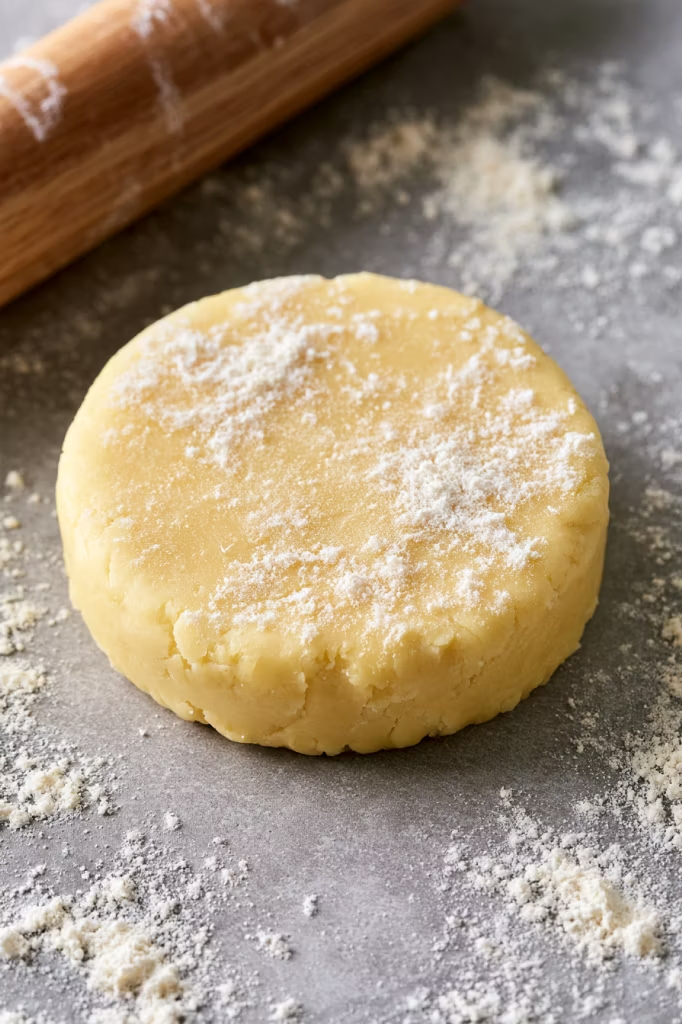
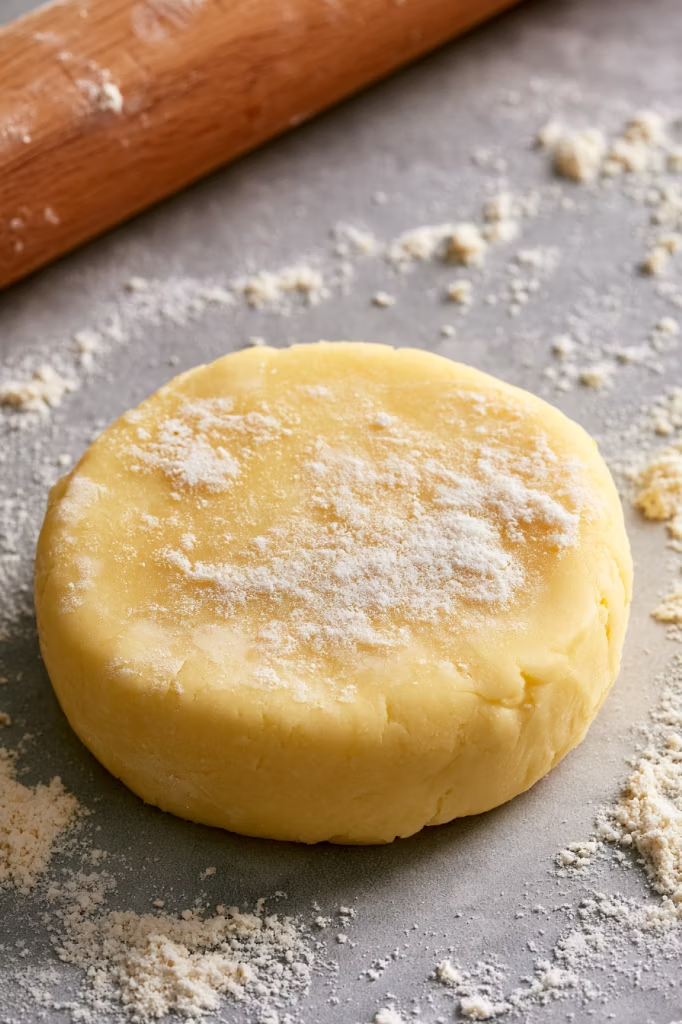
Then, shape and chill. Gently form the dough into a ball, divide it in half, and flatten each half into a disk. Wrap the disks tightly and refrigerate them for at least 1 hour.
When you’re ready to roll, let one disk sit at room temperature for at least 5 minutes. Lightly flour your work surface, dough, and rolling pin, and roll the dough into a circle about 12 inches in diameter. Turn it as you work so it rolls evenly and doesn’t stick.
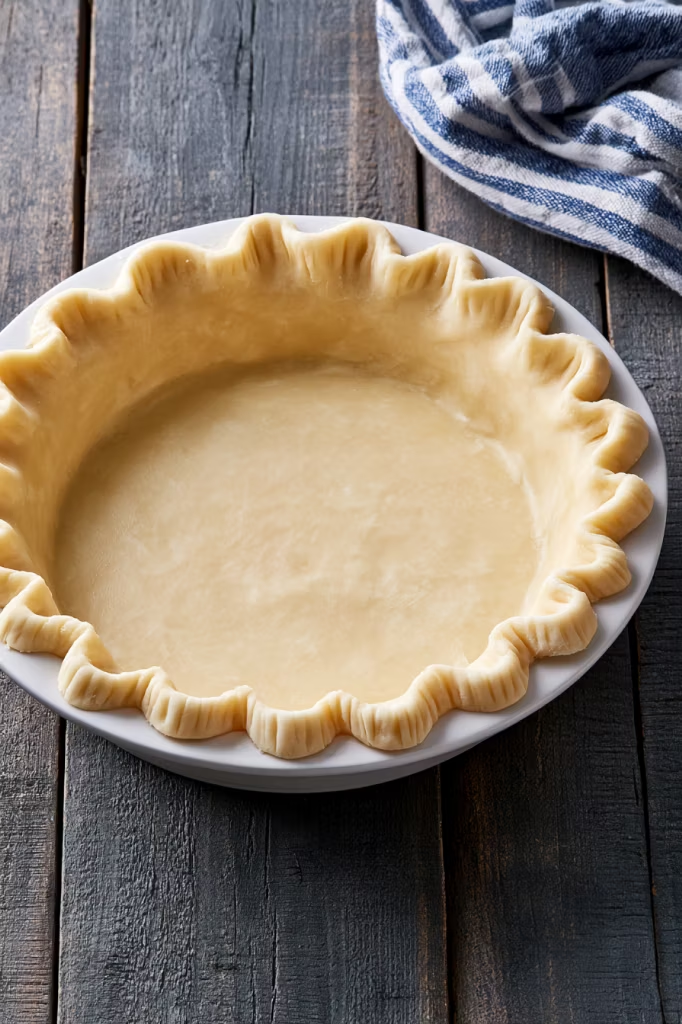
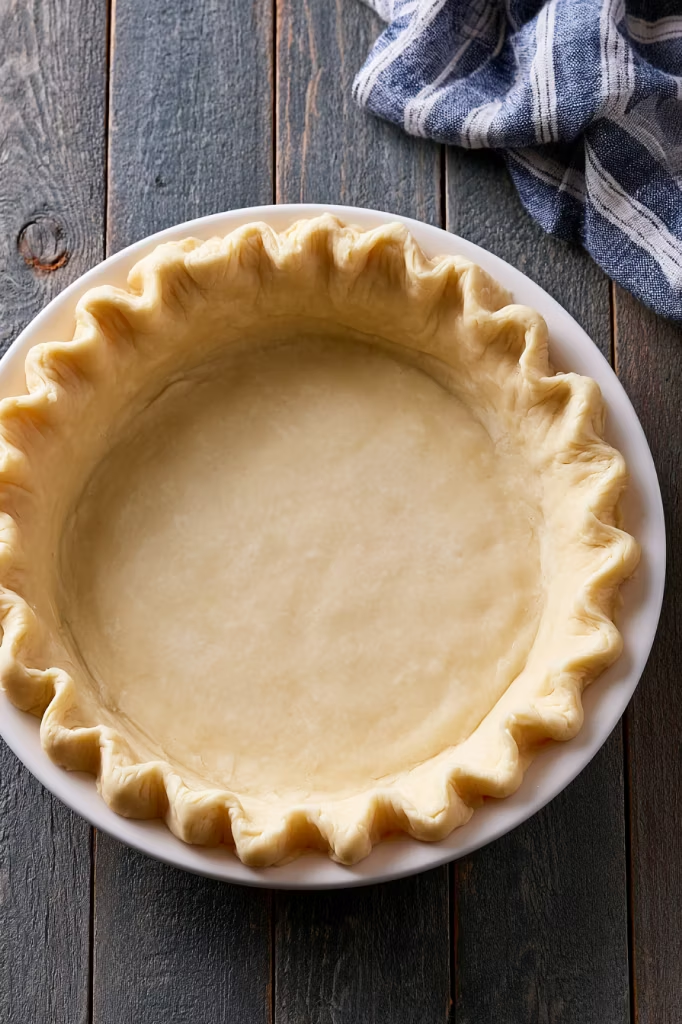
Carefully transfer the dough to a 9-inch pie dish and gently settle it into the bottom and sides. Don’t stretch it! Fold the extra dough underneath itself to create the border and crimp the edges if you’re making a single-crust pie. Chill the shaped crust for at least 30 minutes before baking.
If you’re blind baking the crust, preheat the oven to 375°F (190°C). Pierce the chilled crust with a fork, line it with crumpled parchment, and fill it with pie weights, dried rice, or dried beans. Bake for 15 minutes. For a fully baked crust, remove the parchment and weights and bake for another 15 to 20 minutes, until lightly golden.
For a double-crust pie, add the filling before placing the second rolled-out disk on top. Trim, seal, and crimp the edges, then chill the whole pie for at least 30 minutes. Before baking, brush the top with the egg wash described in the recipe, sprinkle it with about 1 tablespoon of sugar, and cut 3 to 4 slits in the top so steam can escape. Bake according to your specific pie recipe.
Expert Tips
Cold butter makes a big difference here. Keep it as cold as possible while you’re preparing the dough. Those cold pieces of butter help create the flaky layers you want once the crust hits the hot oven.
Measure your flour carefully, too. If you have a kitchen scale, use the 325g measurement. Otherwise, fluff the flour, spoon it into your measuring cup, and level off the top instead of packing it down.
And don’t pour in all the water at once! Start with the amount directed in the recipe and add more only when the dough needs it. Some days the dough will need less, and other days it may need a little more depending on the humidity in your kitchen.
Finally, give the dough time to chill. It can be tempting to rush this part when you’re eager to bake, but the chilling time makes the dough easier to roll and helps it keep its shape in the oven.
Recipe Variations
One of the reasons I love keeping a good pie crust recipe around is that the same dough can take you in so many different directions.
For a classic fruit pie, use both disks to make a traditional double crust or turn the top disk into a lattice. For pumpkin, custard, cream pies, or quiche, prepare it as a single crust and blind bake it according to the recipe.
You can also use the dough for savory pies. The 1 tablespoon of sugar is optional, so you can make the crust exactly as directed for whatever sweet or savory filling you have planned.
Want to change the look? Keep the dough exactly the same and have fun with the top. Try a lattice, decorative cutouts, or a simple full top crust with a few steam vents.
Storage & Reheating
This is a great dough to make ahead. Wrap the dough disks tightly in plastic wrap and refrigerate them for up to 3 days. When you’re ready to bake, take out what you need and continue with the rolling instructions.
For longer storage, freeze the dough for up to 3 months. Thaw frozen dough overnight in the refrigerator before using it.
You can also freeze a crust after shaping it in the pie dish. Freeze it uncovered until completely solid, then transfer it to a freezer-safe bag or wrap it well in foil and plastic wrap. It will keep for up to 3 months. Let it thaw in the refrigerator for a couple of hours before blind baking.
Because this recipe is for the crust itself, reheating will depend on the pie you make with it. Follow the storage and reheating directions for your specific filling so the crust and filling both stay at their best.
Serving Suggestions
The fun part is deciding what to fill it with! This buttery crust is wonderful with classic fruit fillings like apple, blueberry, or cherry, where its flaky texture is a delicious contrast to the soft, juicy fruit.
For something creamy, blind bake it and fill it with coconut cream or another chilled cream filling. It also works beautifully with pumpkin pie, sweet potato pie, and other custard-style fillings.
And don’t forget savory pies. Use it for quiche, chicken pot pie, or another hearty filling when you’re craving something warm and comforting.
However you use it, serve the finished pie in generous slices. If it’s a warm fruit pie, a scoop of vanilla ice cream alongside certainly doesn’t hurt.
More desserts recipes you will love
The Best Classic Stove-Top Rice Pudding
The Best Cinnamon Roll–Style Overnight Oats
Easy Fudgy 5-Ingredient Brownies
Flaky All-Butter Pie Crust
Ingredients
- 2 1/2 cups (325g) all-purpose flour, spooned and leveled
- 1/2 tsp fine sea salt or 1 teaspoon kosher salt
- 1 tbsp sugar, optional
- 1 cup (230g) very cold unsalted butter, cut into ½-inch cubes
- 6-8 tbsp ice water, or more as needed
Instructions
Mix the first portion of flour with the butter
- Place 1 ½ cups of the flour, the salt, and the sugar in a food processor. Pulse several times to distribute the ingredients.
- Scatter the cold butter cubes over the flour. Process for approximately 15 seconds, stopping when the mixture begins forming a dough-like paste and no dry, uncoated flour remains. At this stage, the mixture should be pale yellow and should hold together when pressed.
Incorporate the remaining flour
- Scrape the sides of the processor bowl so the mixture is evenly distributed.
- Add the remaining 1 cup of flour and pulse 4 to 5 times. The mixture should separate into crumbs while the newly added flour becomes evenly incorporated.
Add the ice water
- Sprinkle 4 tablespoons of ice water over the mixture. Using a rubber spatula, press and fold the dough against itself until the small crumbs begin gathering into larger pieces.
- Pinch a small portion between your fingers. If it stays together, the dough has enough moisture. If it breaks apart, add another 2 to 4 tablespoons of water, continuing to press the mixture together.
- Depending on the humidity in your kitchen, the dough may require additional water.
Shape and refrigerate
- Turn the dough onto a clean work surface and gently gather it into a ball.
- Divide the ball in half and flatten each portion into a disk. Wrap both disks securely in plastic wrap.
- Refrigerate for at least 1 hour or up to 3 days.
- For longer storage, freeze the dough for up to 3 months. Thaw frozen dough overnight in the refrigerator before using.
Notes
Recipe Notes
Nutrition
Calories: 345kcal | Carbohydrates: 30g | Protein: 4g | Fat: 23g | Saturated Fat: 15g | Cholesterol: 61mg | Dietary Fiber: 1g | Total Sugars: 0g Serving Size: ⅛ of doughRecipe FAQs
1. How do I know when I’ve added enough ice water?
Pinch a small piece of dough between your fingers. If it holds together, you’ve added enough water. If it still crumbles apart, add a little more ice water as directed in the recipe. Just make sure you don’t add too much at once, or the dough can become sticky and harder to work with.
2. Why does the butter need to be very cold?
Cold butter is what helps give this pie crust those flaky layers. You want to keep the butter as cold as possible while making the dough. If it starts to feel soft or warm at any point, simply place the dough in the refrigerator to chill before continuing.
3. Why is my pie dough cracking when I roll it out?
The dough may simply be a little too cold. Let it sit at room temperature for at least 5 minutes before rolling, as directed in the recipe. If you notice a few small cracks around the edges, just press them back together and continue rolling.
4. How do I keep the pie crust from shrinking while baking?
Make sure you don’t stretch the dough when pressing it into the pie dish. Gently fit it against the bottom and sides instead. You’ll also want to chill the prepared crust for at least 30 minutes before baking. This helps the dough keep its shape in the oven.
5. Can I make this pie crust ahead of time?
Yes! This is a great pie crust to prep ahead. Wrap the dough tightly in plastic wrap and refrigerate it for up to 3 days. You can also freeze it for up to 3 months. If frozen, let the dough thaw overnight in the refrigerator before using.