



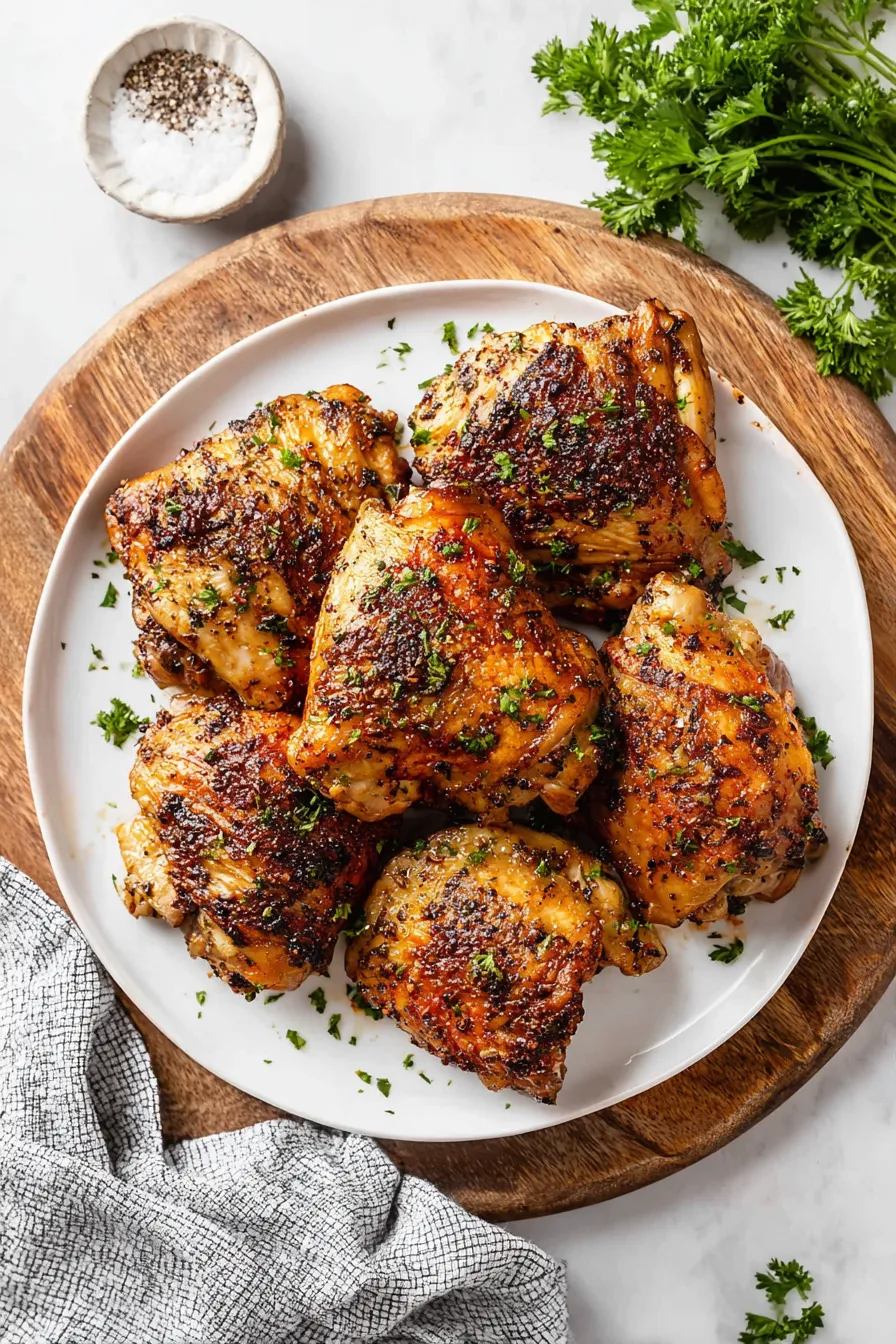
There’s something deeply satisfying about sliding a tray of chicken thighs into a hot oven at the end of a long day.
As they bake, the kitchen slowly fills with the comforting aroma of garlic, herbs, and roasting chicken.
You know dinner is going to be good—no stress required.
Simple pantry spices, minimal prep, and juicy chicken that turns out flavorful every single time.
This is one of those dependable recipes that feels special without asking much of you.
It’s the kind of meal you make once, then find yourself coming back to again and again.
Why You’ll Love This Recipe
Chicken thighs are one of those ingredients that make dinner easy. They’re juicy, flavorful, forgiving, and don’t need much fuss to turn into a really good meal.
This version is all about getting big flavor from simple pantry spices. Garlic powder, onion powder, paprika, Italian seasoning and parsley are mixed with olive oil to make a thick seasoning paste that gets rubbed right onto the chicken.
And the best part? The oven does almost all the work.
The chicken starts on a hot pan, which helps it get nicely browned underneath, then butter is scattered over the top before baking. As it cooks, the butter melts into all those savory juices. Good stuff.
You also get a couple of chances to baste the chicken, which means those flavorful pan juices get spooned right back over the thighs instead of just sitting in the bottom of the pan.
It’s simple food, but it doesn’t taste boring. Exactly the kind of chicken dinner you’ll want in your regular rotation.
For the Oven-Baked Chicken Thighs
- Chicken Thighs – Bone-in, skin-on thighs work best here for juicy meat and crispy skin. Patting them dry helps the seasoning stick and promotes better browning.
- Olive Oil – This helps the spices form a paste and keeps the chicken moist as it roasts. You can substitute another neutral cooking oil if needed.
- Garlic Powder – Adds savory depth without the risk of burning that fresh garlic can have at high heat.
- Onion Powder – Brings a subtle sweetness and rounds out the overall flavor of the seasoning blend.
- Paprika – Gives the chicken a warm, slightly smoky note and helps with color as it bakes.
- Italian Seasoning – A simple mix of dried herbs that adds classic, familiar flavor without extra effort.
- Dried Parsley – Lightens up the seasoning blend and adds a mild herbal finish.
- Salt – Essential for bringing out all the flavors and seasoning the chicken all the way through.
- Black Pepper – Adds gentle heat and balance to the spice mix.
- Butter – Optional, but a few small pieces on top of the chicken add richness, encourage browning, and make the pan juices extra flavorful.
Step-by-Step Instructions
Step 1: Heat the oven
Set the oven to 400°F. Line a rimmed baking sheet or large rimmed pan with foil and place it in the oven while it preheats so the pan is hot when the chicken is added.
Why heat the pan first? It gives the chicken a head start on browning as soon as it hits the surface. It’s a small step, but it makes a difference.
Step 2: Make the seasoning mixture
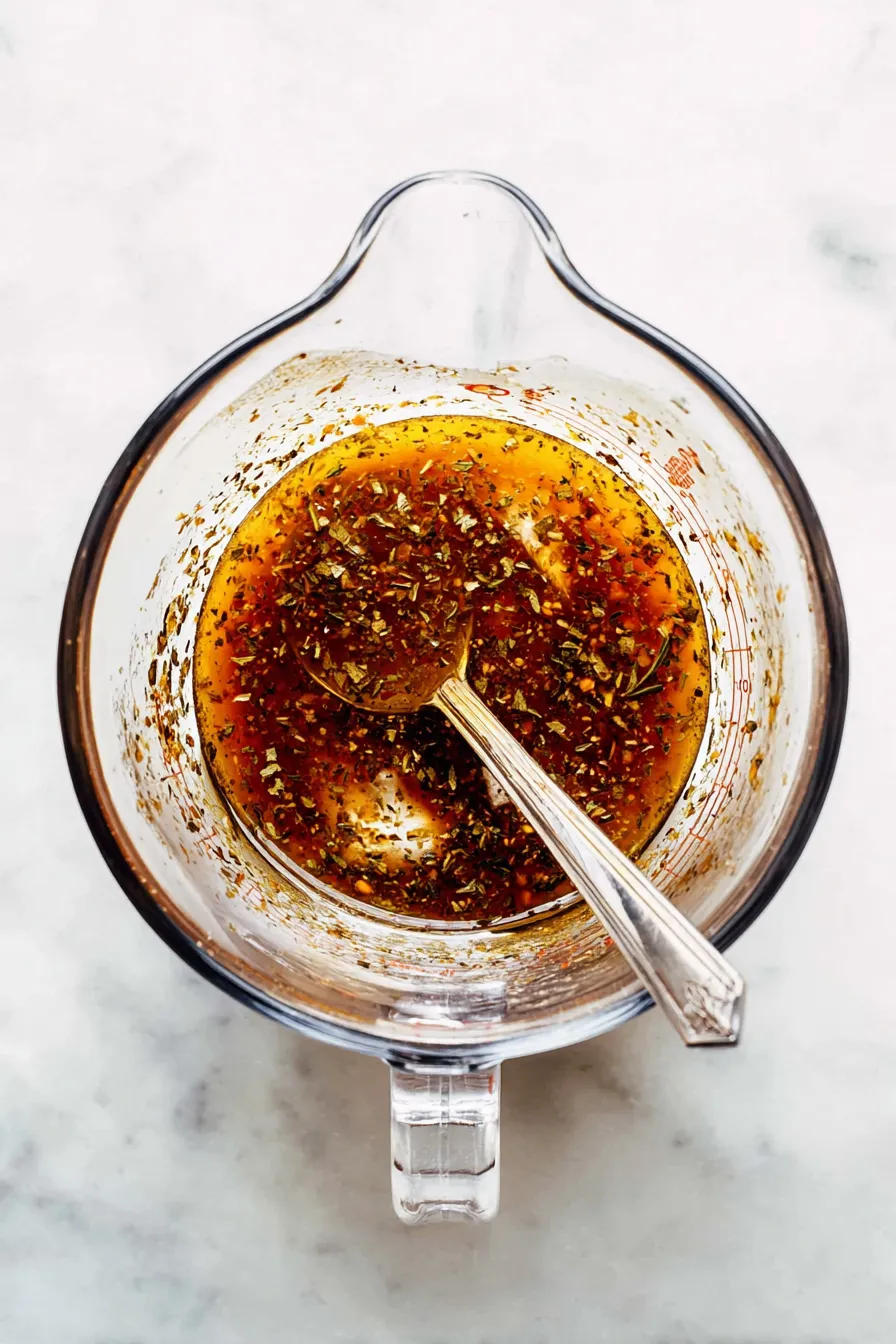
In a large bowl, stir together the olive oil, garlic powder, onion powder, paprika, Italian seasoning, dried parsley, salt, and black pepper until a thick paste forms.
You’re looking for a proper paste here rather than a loose mixture. The oil helps everything come together so the seasoning can cling to the chicken.
Step 3: Coat the chicken
Add the chicken thighs to the bowl (working in batches if needed) and toss until coated. Lift each thigh out individually and massage the seasoning mixture into the skin.
Don’t just give the chicken a quick toss and call it done. Take a moment to really press that seasoning into the skin. That’s where you want all that flavor.
And make sure the chicken has been patted dry beforehand. Too much moisture makes it harder for the seasoning to stick and the skin to brown.
Step 4: Bake
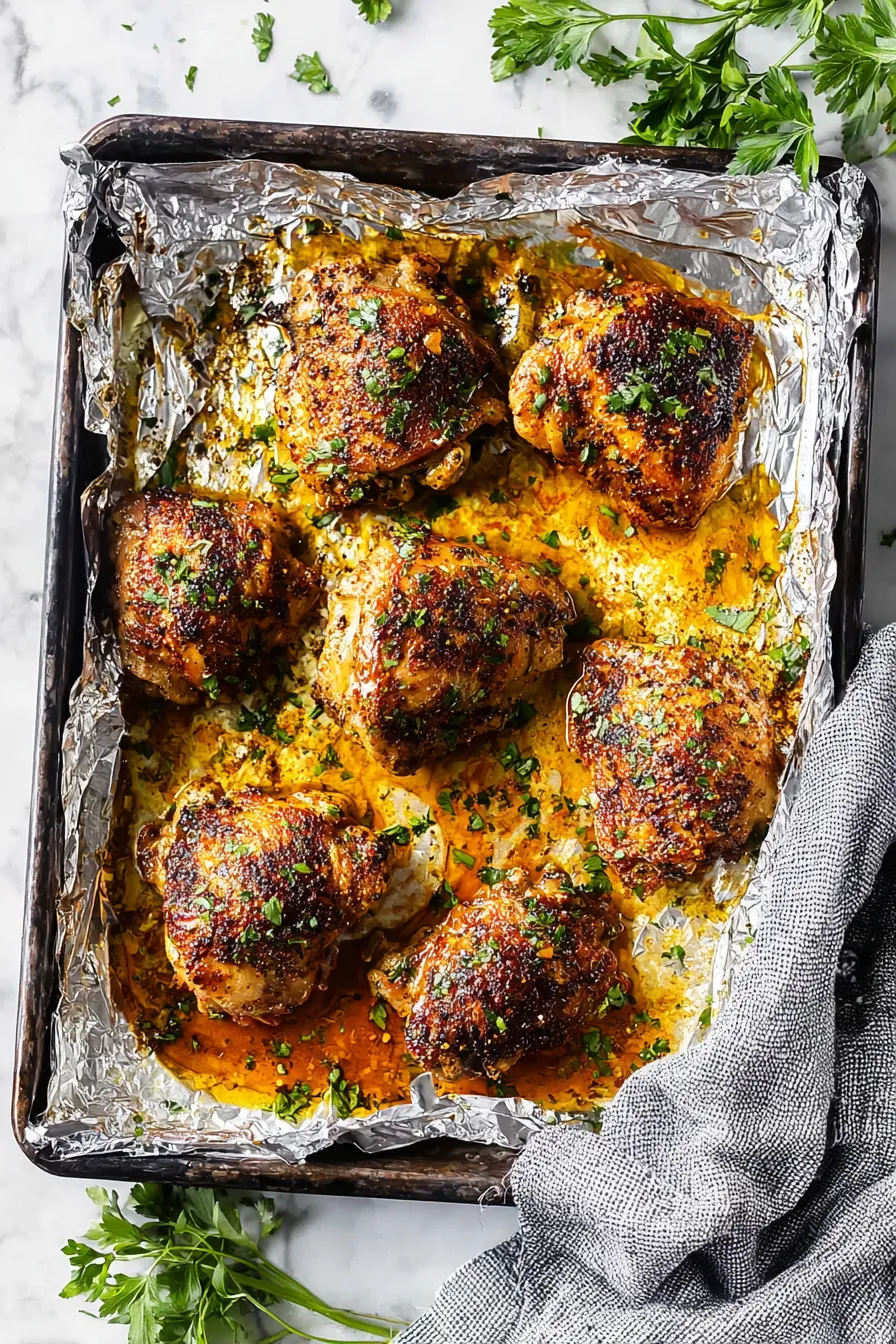
Carefully arrange the seasoned chicken thighs on the preheated pan. Scatter the diced butter over the chicken. Bake for 20 minutes.
The chicken will start releasing its juices as it cooks, while the butter melts over the top and adds even more richness.
Step 5: Baste and finish cooking
Remove the pan from the oven and spoon the pan juices over the chicken. Return to the oven and bake for another 10 minutes, then baste again.
Continue baking for an additional 5–15 minutes, until the internal temperature reaches 165°F.
The exact cooking time can vary depending on the size of your chicken thighs, so this is one of those recipes where a thermometer is much more reliable than watching the clock.
Expert Tips
Pat the chicken dry. This is worth doing before you even make the seasoning paste. Dry skin gives the seasoning something to cling to and helps the chicken brown better.
Really rub in the seasoning. The seasoning mixture is meant to form a paste, so use your hands to press it firmly into the chicken skin rather than simply sprinkling it over the top.
Use a hot pan. Putting the chicken onto the preheated pan helps with browning and also helps prevent the chicken from sticking.
Don’t skip the basting. Those juices sitting in the bottom of the pan are packed with flavor. Spoon them over the chicken so you’re putting that flavor right back where it belongs.
Use a rimmed pan. Chicken thighs release a surprising amount of juice while roasting. A rimmed baking sheet or large rimmed pan keeps all those juices where they belong.
Check the temperature. Chicken must reach 165°F before serving. Thighs can vary quite a bit in size, so use a meat thermometer rather than relying only on the listed cooking time.
Recipe Variations
Use boneless, skinless thighs
You can absolutely use boneless, skinless chicken thighs instead. They cook faster, so start checking around the 25–30 minute mark.
You won’t get the crispy skin, obviously, but the seasoning still gives the chicken plenty of flavor.
Change up the herbs
No dried parsley? No problem. You can use only Italian seasoning or only dried parsley if that’s what you have.
Dried oregano is another good option if you want to change the herb profile a little.
Skip the butter
The butter is optional, so feel free to leave it out if you’re avoiding dairy.
It adds richness and helps with browning, but the chicken will still be flavorful without it.
Use another cooking oil
Olive oil is recommended, but you can substitute a neutral vegetable oil if that’s what you have in the cupboard.
Add a little extra seasoning
If you notice some of the seasoning mixture washing off while the chicken cooks, there’s an easy fix.
After the second basting, mix the following and sprinkle it over the chicken:
- ¼ teaspoon salt
- ½ teaspoon garlic powder
- ½ teaspoon onion powder
- ¼ teaspoon Italian seasoning
- ¼ teaspoon dried parsley
- ½ teaspoon ground paprika
- Black pepper to taste
Storage & Reheating
Leftover chicken can be stored in an airtight container in the refrigerator for 3–4 days.
When you’re ready to reheat it, the oven is your best bet if you want to bring some of that roasted texture back. The microwave works too, especially when speed matters, but the skin won’t stay as crisp.
Whatever method you use, reheat the chicken until it reaches 165°F throughout.
And don’t throw away those pan juices if you have some left. They’re great spooned over the chicken when reheating and help keep the meat from tasting dry.
Serving Suggestions
These chicken thighs are pretty flexible when it comes to sides.
For a proper comfort-food dinner, serve them with mashed potatoes, roasted potatoes, or rice so you have something to soak up all those savory pan juices.
Want to keep things lighter? Go with roasted vegetables, green beans, steamed broccoli, or a simple green salad.
And because the chicken is already packed with seasoning, you don’t need anything complicated on the side. A couple of easy vegetables and dinner is done.
For a low-carb meal, serve the chicken with cauliflower rice, roasted vegetables, or a crisp salad.
Basically, if it can catch those delicious pan juices, it belongs on the plate.
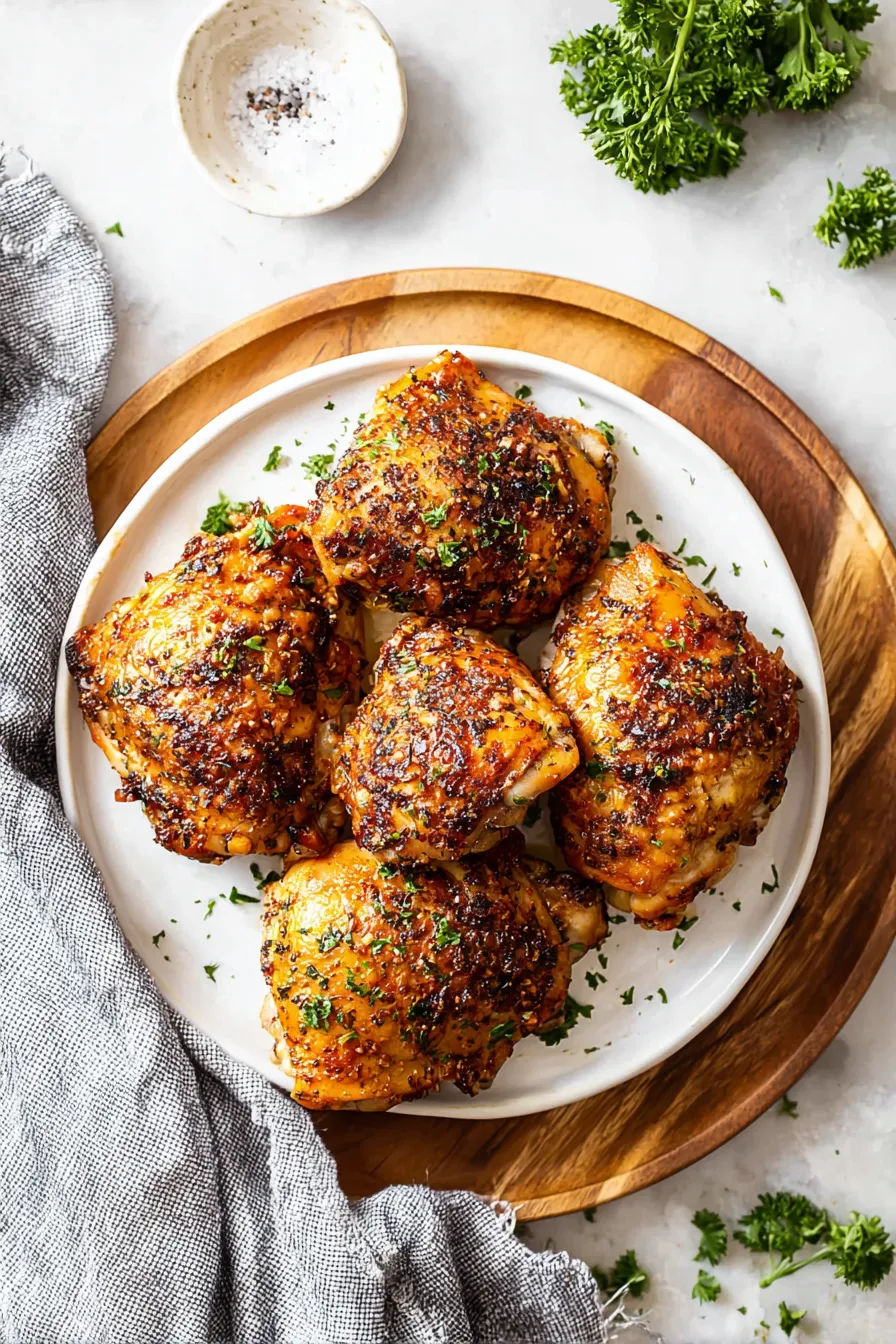
Savory Oven-Roasted Chicken Thighs
Notes
Ingredients
- 2 tablespoons olive oil
- 2 teaspoons garlic powder
- 2 teaspoons onion powder
- 1 teaspoon ground paprika
- 1 teaspoon Italian seasoning
- 1 teaspoon dried parsley
- 2 teaspoons salt
- ½ teaspoon black pepper
- 2 pounds chicken thighs (6–8 pieces), patted dry
- 1 tablespoon butter, diced
Instructions
- Heat the oven
Set the oven to 400°F. Line a rimmed baking sheet or large rimmed pan with foil and place it in the oven while it preheats so the pan is hot when the chicken is added. - Make the seasoning mixture
In a large bowl, stir together the olive oil, garlic powder, onion powder, paprika, Italian seasoning, dried parsley, salt, and black pepper until a thick paste forms. - Coat the chicken
Add the chicken thighs to the bowl (working in batches if needed) and toss until coated. Lift each thigh out individually and massage the seasoning mixture into the skin. - Bake
Carefully arrange the seasoned chicken thighs on the preheated pan. Scatter the diced butter over the chicken. Bake for 20 minutes. - Baste and finish cooking
Remove the pan from the oven and spoon the pan juices over the chicken. Return to the oven and bake for another 10 minutes, then baste again. Continue baking for an additional 5–15 minutes, until the internal temperature reaches 165°F.
Notes
Ingredient substitutions- Dried herbs: If needed, you may use only Italian seasoning or only dried parsley. Dried oregano is also a good alternative.
- Oil: Olive oil is recommended, but any neutral vegetable oil will work.
- Butter: Optional. Omit if avoiding dairy.
- Press the seasoning paste firmly into the chicken so it stays in place during baking.
- If you prefer not to handle raw chicken, or if you notice seasoning washing off during baking, mix the following and sprinkle it over the chicken after the second basting:
- ¼ teaspoon salt
- ½ teaspoon garlic powder
- ½ teaspoon onion powder
- ¼ teaspoon Italian seasoning
- ¼ teaspoon dried parsley
- ½ teaspoon ground paprika
- Black pepper to taste
- Always confirm doneness with a meat thermometer; chicken must reach 165°F before serving.
- Use a rimmed pan or baking dish, as the chicken will release a significant amount of juices while cooking.

2 Responses
The flavor was good but I found it quite salty. Maybe I will use a little less salt and unsalted butter next time.
Thanks for the feedback, Cathy! I’m glad you enjoyed the flavor, yes you can adjust the salt to your taste. if you try it again let me know if it did meet you expectations with less salt