
Chinese Chicken Curry: Your New Weeknight Dinner Hero
Let me paint you a little dinner picture.
It’s a weeknight. Everyone is hungry. You want something cozy and full of flavor, but you absolutely do not want a recipe that requires 17 different pans, a trip to three grocery stores, and your entire evening.
Enter: Chinese Chicken Curry.
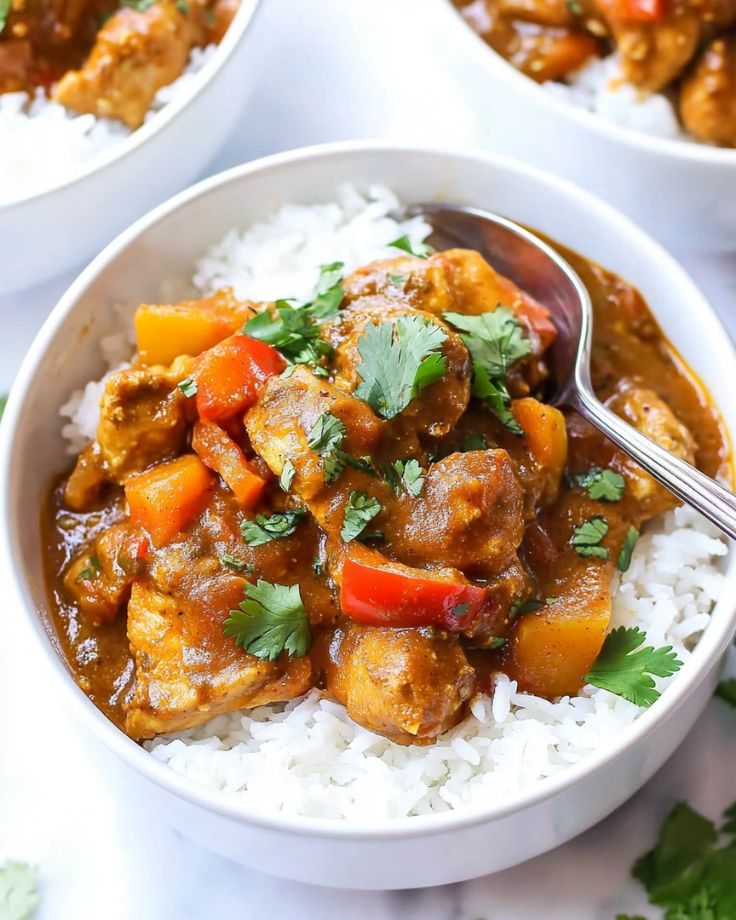
Tender chicken, colorful veggies, warm curry spices, and that savory little hit of soy sauce all simmer together into one seriously delicious dinner.
And honestly? It tastes like you put in way more effort than you actually did.
Serve it over a big scoop of fluffy rice, sprinkle on some fresh cilantro, and suddenly your regular Tuesday night dinner feels pretty special.
This is the kind of dinner you make once and immediately start thinking about when you can make it again.
Why You’ll Love This Recipe
There are plenty of chicken dinners out there. But this one has a few things going for it.
First, the flavor. Curry powder, turmeric, cumin, coriander, garlic, ginger, and soy sauce come together to make a sauce that is warm, savory, aromatic, and seriously spoon-worthy.
Second, it’s easy. You’re working with simple ingredients, one skillet or wok, and about 50 minutes from start to finish.
And third? It’s flexible.
You can swap the chicken breast for chicken thighs. You can change up the vegetables. You can make it a little spicier if that’s your thing. You can pile it over rice, spoon it onto quinoa, or grab some naan and go to town.
Basically, it’s a very forgiving dinner.
Which is exactly what I want on a busy night.
For Chinese Chicken Curry
- Chicken – I’ve used boneless, skinless chicken breast for this recipe. It cooks quickly and stays tender. You can also use chicken thighs for a juicier option.
- Curry Powder – The star of the dish, providing rich flavor and a mild heat. Adjust according to your preference.
- Turmeric – Adds a warm, earthy flavor and a vibrant color to the curry.
- Cumin – A key spice in this dish, giving it a deep, smoky warmth.
- Coriander – Brings a subtle citrusy note, balancing out the heat and spices.
- Garlic and Ginger – Fresh garlic and ginger are essential for aromatic depth and flavor.
- Vegetable Oil – Used for sautéing the chicken and aromatics.
- Carrot – Adds a natural sweetness and crunch to the curry.
- Bell Pepper – A mild, colorful veggie that complements the curry’s spiciness.
- Frozen Peas – Brings in a burst of sweetness and color to the curry.
- Soy Sauce – Low sodium to enhance the savory umami flavor without being too salty.
- Chicken Broth – A base for the sauce, giving the curry its rich, liquid consistency.
- Fresh Cilantro – For garnish and a fresh, herbal finish.
For the Chinese Chicken Curry Sauce
- Soy Sauce – Low sodium soy sauce keeps it savory without adding too much salt.
- Chicken Broth – Acts as the liquid base for the curry, adding richness and depth.
- Spices (Curry Powder, Turmeric, Cumin, Coriander) – Combined, these spices create the signature flavor profile of the curry sauce

How To Make Chinese Chicken Curry
1. Sauté the onion, garlic, and ginger.
Start by heating the vegetable oil in a large skillet or wok over medium heat. Add the sliced onion and let it cook until soft and translucent.
Then add the garlic and ginger.
Give everything a good stir and let it cook for another minute, just until your kitchen starts smelling amazing.
This little step is worth it. The onion, garlic, and ginger are doing a lot of the heavy lifting when it comes to flavor.
2. Add the chicken.
Turn the heat up to medium-high and add your sliced chicken.
Cook it until it’s no longer pink on the outside.
Because the chicken is sliced thinly, it cooks fairly quickly, which is exactly what we want here.
3. Bring on the spices.
Now for the good stuff.
Sprinkle the curry powder, turmeric, cumin, and coriander over the chicken and stir everything together really well.
You want those spices coating the chicken instead of sitting in little piles around the pan.
And this is the moment when the curry really starts to smell like curry.
4. Make the sauce.
Add the soy sauce and chicken broth to the skillet.
Stir it all together, then bring the mixture to a simmer.
At this point, you’ve got tender chicken, warm spices, and a savory broth all hanging out in the same pan.
We are officially on our way.
5. Add the vegetables.
Add the sliced carrot and bell pepper and let the curry simmer for 15–20 minutes, until the chicken is cooked through and the vegetables are tender.
Then add the frozen peas during the last 5 minutes.
I love this part because the vegetables add little pops of sweetness and color to the curry without making the recipe complicated.
6. Taste and season.
Give the curry a taste.
Add salt and pepper as needed, keeping in mind that the soy sauce has already brought some saltiness to the party.
7. Grab the rice.
Spoon the hot curry over rice and finish with fresh cilantro if you like.
Then grab a fork.
That’s dinner.

Expert Tips
Slice your chicken evenly.
This is one of those tiny things that makes a bigger difference than you’d think. Try to keep the chicken pieces similar in size so they cook evenly.
Don’t rush the aromatics.
Let the onion soften before adding the garlic and ginger. You’re building the flavor base of the whole curry right here.
Coat the chicken with the spices.
Give everything a really good stir after adding the curry powder, turmeric, cumin, and coriander. You want every piece of chicken covered in that fragrant spice mixture.
Keep an eye on the simmer.
The curry doesn’t need babysitting every second, but do give it a check now and then while it cooks so it doesn’t stick or burn.
Save the peas for the end.
Adding the frozen peas during the last 5 minutes helps keep them bright and gives them just enough time to warm through.
Taste before adding extra salt.
Soy sauce already adds saltiness, so give the finished curry a taste before reaching for the salt shaker.
Recipe Variations
Okay, this is where you can have a little fun.
Use chicken thighs.
Not a chicken breast person? No problem.
Chicken thighs work beautifully here and give you a juicier, more flavorful curry. Just cut them into small pieces and cook as directed.
Change up the vegetables.
This curry is not precious about its vegetables.
No bell peppers? Try broccoli.
Have some snow peas hanging around? Toss them in.
Zucchini in the fridge looking lonely? That works, too.
The original recipe is flexible, so use what you have and keep the pieces bite-sized.
Make it spicy.
Want some heat?
Add a pinch of chili flakes or cayenne pepper along with the spices.
Start small. You can always add more, but you can’t exactly fish the cayenne back out.
Switch up the serving situation.
Rice is the classic move, but it’s not your only option.
Try this curry with naan, quinoa, or steamed cauliflower rice.
Basically, anything that gives you a way to catch all that delicious sauce is fair game.
Storage & Reheating
Have leftovers?
Lucky you.
Let the curry cool, then transfer it to an airtight container and refrigerate it for up to 2 days, following the original recipe notes.
When you’re ready for round two, reheat it thoroughly until hot.
If the sauce has thickened in the fridge, give everything a good stir as it warms.
And honestly, this is one of those meals that makes lunch the next day feel a whole lot less sad.
What To Serve With Chinese Chicken Curry
Fluffy rice
This is the classic pairing for a reason.
A generous scoop of rice gives the curry somewhere to go, and you’ll want something to soak up every bit of that savory sauce.
Naan
If you’re skipping rice, naan is an excellent choice.
Warm it up and use it to scoop up the curry. No fancy utensils required.
Quinoa
Looking for something a little different? Serve the curry over cooked quinoa.
It adds a slightly nutty flavor and makes the meal extra hearty.
Cauliflower rice
For a lighter option, steamed cauliflower rice works beautifully underneath the curry.
And don’t forget the cilantro.
That little handful of fresh herbs at the end adds a bright, fresh finish that balances all those warm spices.

- Can I use chicken thighs instead of chicken breasts?
Yes, absolutely! Chicken thighs are a great choice for this curry. They’re juicier and more flavorful, so feel free to swap them in. Just cut them into small pieces and cook as directed. - What vegetables can I use if I don’t have bell peppers or carrots?
No worries! This recipe is super flexible. Try using broccoli, snow peas, or zucchini instead. Just make sure to chop them into bite-sized pieces and add them in the last 10-15 minutes of cooking. - How can I make this curry spicier?
If you like a little more heat, simply add a pinch of chili flakes or cayenne pepper along with the spices. You can adjust the heat level to your liking – it’s all about the spices! - Can I make this curry ahead of time?
Yes! This curry actually tastes even better after the flavors have had time to meld together. Just store it in an airtight container in the fridge for up to 2 days and reheat when ready to serve. - What can I serve this curry with if I don’t have rice?
No rice? No problem! This curry is perfect with a side of naan bread, quinoa, or even steamed cauliflower rice for a low-carb option. It’ll be just as delicious!
Chinese Chicken Curry
Ingredients
- 2 tbsp vegetable oil
- 1 large onion, sliced
- 2 cloves garlic, minced
- 1 tbsp fresh ginger, minced
- 1 pound boneless, skinless chicken breast, thinly sliced
- 3 tbsp curry powder
- 1 tsp turmeric powder
- 1 tsp ground cumin
- 1 tsp ground coriander
- 2 tbsp low-sodium soy sauce
- 1½ cups low-sodium chicken broth
- 1 large carrot, thinly sliced
- 1 medium bell pepper, cut into strips
- ½ cup frozen peas
- Salt and pepper to taste
- Fresh cilantro for garnish
Instructions
- Heat the vegetable oil in a large skillet or wok over medium heat. Add the sliced onion and cook until soft and translucent. Stir in the minced garlic and ginger, and cook for another minute until fragrant.
- Increase the heat to medium-high and add the chicken slices to the skillet. Cook until the chicken is no longer pink on the outside.
- Sprinkle the curry powder, turmeric, cumin, and coriander over the chicken, stirring well to ensure the chicken is evenly coated with the spices.
- Add the soy sauce and chicken broth to the skillet. Stir to combine, then bring the mixture to a simmer.
- Add the sliced carrot and bell pepper. Let the curry simmer for 15-20 minutes or until the chicken is cooked through and the vegetables are tender. Add the frozen peas during the last 5 minutes of cooking.
- Taste the curry and adjust seasoning with salt and pepper as desired.
- Serve the curry hot over rice, garnished with fresh cilantro if desired.
Notes
- Chicken Prep: Slice the chicken evenly to ensure it cooks uniformly.
- Vegetable Variations: Feel free to swap in other vegetables like broccoli or snap peas.
- Cooking Tip: Keep an eye on the curry as it simmers to prevent it from burning or sticking to the pan.
- Leftovers: This dish tastes best fresh but can be reheated easily for later meals.